 sellershorts
Amazon Sellers and FBA: What You Need to Know in 2026
How FBA works for Amazon sellers in 2026. Fees, FBA vs FBM, inventory management, common mistakes, and how FBA affects listing optimization strategy.

On this page
In Brief
FBA (Fulfillment by Amazon) lets sellers ship inventory to Amazon's fulfillment centers, where Amazon handles storage, packing, shipping, and customer service. Sellers use it for Prime eligibility, faster fulfillment, and operational scale. Total FBA cost typically runs 15 to 35 percent of selling price (fulfillment fees plus storage). Most sellers in standard categories do better with FBA; very low-margin products may work better with FBM (self-fulfilled).
- FBA = Amazon stores, packs, ships, handles returns and support
- Prime eligibility is the biggest single advantage (filter most shoppers use)
- FBA cost typically 15-35% of selling price (varies by category)
- FBM beats FBA only for very low-margin products under 20% gross
"Amazon sellers and FBA" is a search where new sellers are usually trying to understand whether to use the program. The honest answer is yes for most sellers in standard categories, but the math depends on product size, weight, margin, and category. This guide breaks down what FBA does, the fee structure, FBA vs FBM trade-offs, and the most common mistakes new FBA sellers make.
If you are evaluating FBA for the first time or considering switching from FBM, the framework below shows the honest trade-offs.
Compiled by the SellerShorts team based on patterns we observe across the AI tool marketplace for Amazon sellers.
Our Amazon Listing Optimizer takes an ASIN and returns a full optimized listing (title, bullets, description, backend keywords, plus keyword strategy and competitor gaps) in one run. Push live to Seller Central in one click.
What FBA is in plain English
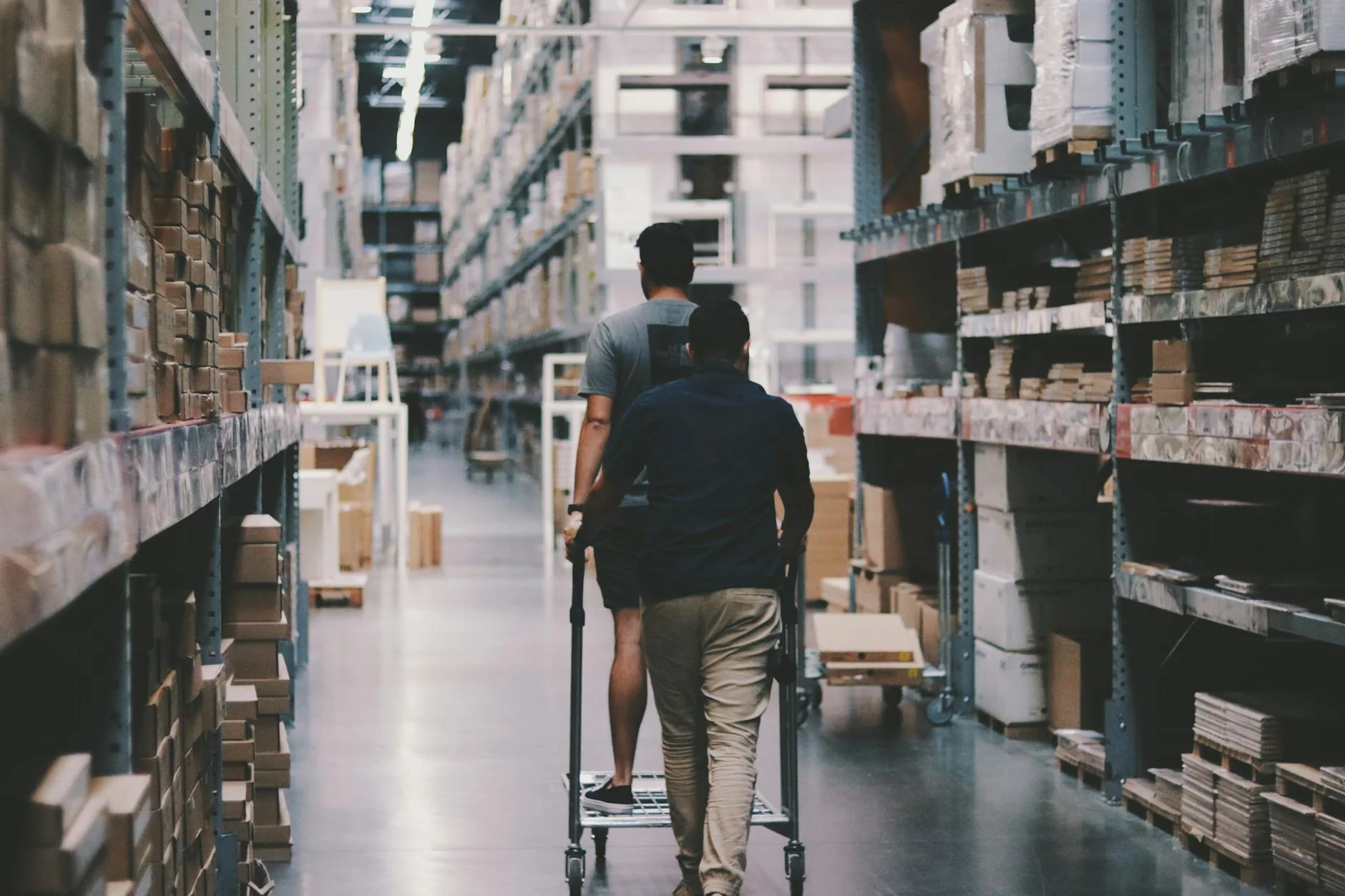
Fulfillment by Amazon is Amazon's logistics service. Sellers ship inventory to Amazon's fulfillment centers; Amazon handles the rest. Specifically:
- Storage: Amazon stores inventory at fulfillment centers across the country.
- Order picking and packing: When an order comes in, Amazon picks the product, packs it, and prints the shipping label.
- Shipping: Amazon ships via its own logistics network and partners. Two-day and next-day shipping for Prime members.
- Customer service: Amazon handles customer inquiries about delivery, condition, and returns.
- Returns: Amazon processes returns and inspects items to determine resaleability.
Why Amazon sellers use FBA
A few related reasons explain it.
- Prime eligibility: The biggest single advantage. Most Amazon shoppers filter for Prime; FBA products are Prime eligible by default.
- Fulfillment speed: Amazon's logistics network delivers faster than most third-party options.
- Operational scale: No warehouse, no shipping team, no customer service team needed.
- Buy Box advantage: All else equal, FBA listings often win the Buy Box over FBM listings because Amazon weighs fulfillment reliability.
- Brand Registry tool eligibility: Amazon Vine (review program) requires FBA inventory. Some Sponsored ad types also require FBA.
FBA fee structure in 2026
| Fee type | What it covers | Typical range |
|---|---|---|
| Fulfillment fee per unit | Picking, packing, shipping per order | $3-$15+ per unit (size/weight tier) |
| Monthly storage fee | Per cubic foot per month | $0.75-$3.00/cubic foot (higher Oct-Dec) |
| Long-term storage fee | Inventory stored 365+ days | Additional per cubic foot |
| Removal/disposal fee | Removing inventory from FC | $0.50-$1.00+ per unit |
| Inbound placement fee | Multi-FC inbound shipments | Variable based on shipment plan |
Total FBA cost typically runs 15 to 35 percent of selling price. Use Amazon's FBA Revenue Calculator (free in Seller Central) to estimate exact fees for your specific products.
FBA vs FBM side-by-side
The short version: FBA suits most standard products because it carries the Prime badge by default and removes the operational work. FBM tends to win on low-margin, oversize, or brand-experience products where the fees or the packaging control matter more than speed.
- Prime eligibility: FBA by default. FBM only via Seller Fulfilled Prime (strict requirements).
- Operational burden: FBA wins, since Amazon handles fulfillment and support.
- Margin on low-priced items: FBM often wins, with no FBA fees eating the margin.
For the full decision framework, including how to judge it against your own margins and product size, see our dedicated guide on FBA vs FBM and which one to choose.
FBA inventory management workflows
- Replenishment forecasting: Predict when each SKU runs out based on sales velocity. Send replenishment shipments 4 to 8 weeks before stock-out.
- Send to Amazon shipment creation: In Seller Central, create FBA shipments with the Send to Amazon tool. Print labels, ship to assigned fulfillment centers.
- Inventory health monitoring: Avoid long-term storage fees by removing or liquidating slow-movers before they hit the 365-day threshold.
- Q4 storage planning: October to December storage fees are higher. Plan inventory levels carefully for peak season.
- Multi-channel fulfillment: Use FBA inventory to fulfill orders from your own website or other marketplaces via Multi-Channel Fulfillment.
Common FBA mistakes new sellers make
These patterns surface often enough that planning for them pays off across the catalog.
- Sending too much inventory at launch. Send 30 to 60 days first, monitor velocity, then scale based on actual sales.
- Ignoring long-term storage fees. Inventory sitting 365 plus days incurs additional fees. Plan removal or liquidation before the threshold.
- Not using the FBA Revenue Calculator before pricing. Underestimating FBA fees leads to negative-margin SKUs.
- Sending oversize items without weight-checking. Oversize fulfillment fees can erase margin entirely on heavy products.
- Not enrolling in inventory replenishment alerts. Stock-outs cost ranking momentum that takes weeks to recover.
How FBA affects Amazon listing optimization strategy
The detail of how it works follows.
- FBA gates Amazon Vine for reviews. Vine requires FBA inventory. Lifts early review velocity for Brand Registered sellers.
- FBA improves Buy Box win rate. All else equal, FBA listings win Buy Box more often, which compounds ranking signal.
- FBA enables faster Prime shipping. Shoppers filtering for Prime see your listing; conversion lifts on Prime traffic.
- FBA listing optimization workflow stays the same. Keyword research, placement, A+ content all work identically; FBA just provides additional tool access and ranking signal.
When FBM might be the better choice
FBM beats FBA in three specific scenarios. Honest cases where self-fulfilling actually wins:
- Very low margin products. If gross margin after FBA fees would drop under 20 percent, FBM often preserves enough margin to be viable when FBA would not be.
- Oversize or heavy items. Oversize fulfillment fees can exceed $20 per unit. FBM with a regional 3PL or local fulfillment may be cheaper for products over 20 lbs or longest side over 18 inches.
- Custom packaging or branded inserts. FBA does not include custom packaging or brand inserts in shipments. Brands that need a custom unboxing experience for repeat purchase rate may use FBM despite the operational burden.
- Hazmat and restricted categories. Some categories cannot use FBA at all (certain chemicals, regulated items). FBM is the default for these.
- Slow-moving high-value items. Long-term storage fees on slow movers can erase margin. FBM avoids the storage cost while preserving the listing.
For sellers split across both fulfillment methods, Multi-Channel Fulfillment lets FBA inventory ship to non-Amazon orders, which simplifies the operational picture for hybrid catalogs.
Conclusion
FBA is Amazon's logistics service that handles storage, packing, shipping, and customer support for sellers who send inventory to fulfillment centers. Most Amazon sellers in standard categories do better with FBA because the Prime eligibility and fulfillment speed advantages outweigh the 15 to 35 percent fee burden. Very low-margin products (under 20 percent gross margin) may work better with FBM. Conversion lifts when both sides ship together; our Amazon Image Generator takes care of the visual half.
The honest workflow for new FBA sellers is: send 30 to 60 days of inventory at launch, monitor velocity for 6 to 8 weeks, then scale shipments based on actual sales data. Avoid the most common mistakes (over-shipping, ignoring long-term storage, mispricing oversize items). Continue your reading with what is amazon marketplace for sellers, improving your listing quality on amazon seller central, plus our piece on simple strategies to get more product exposure at.
References
Frequently asked questions
What is FBA and why do Amazon sellers use it?
FBA stands for Fulfillment by Amazon. Sellers ship inventory to Amazon's fulfillment centers, and Amazon handles storage, packing, shipping, customer service, and returns. Sellers use FBA for three reasons: Prime eligibility (most shoppers filter for Prime), shipping speed (Amazon's logistics network is faster than most third-party options), and operational scale (you do not need a warehouse or shipping team).
What does FBA cost for Amazon sellers in 2026?
Two fee buckets. Fulfillment fees per unit (based on product size and weight; ranges from a few dollars for small items to $15+ for heavy or oversize). Monthly storage fees per cubic foot (higher in October to December peak season). Long-term storage fees apply to inventory sitting over 365 days. Total FBA cost varies by category but typically runs 15 to 35 percent of selling price.
Is FBA worth it for new Amazon sellers?
Yes, for most sellers. The Prime eligibility advantage and fulfillment speed lift conversion enough to offset the fees in most categories. Exception: very low-margin products (under 20 percent gross margin after FBA fees) often work better with FBM (Fulfillment by Merchant) where you ship yourself. Most sellers in standard categories with 30 percent plus gross margin do better with FBA.
What is the difference between FBA and FBM?
FBA: Amazon stores, packs, ships, and handles customer service. You pay per-unit fulfillment fees and monthly storage fees. Prime eligible by default. FBM (Fulfillment by Merchant): You store, pack, and ship yourself. No FBA fees but no Prime eligibility (unless enrolled in Seller Fulfilled Prime, which has strict requirements). FBA wins on convenience and Prime; FBM wins on margin for low-priced items.
How do Amazon sellers manage FBA inventory?
Three main workflows. Replenishment forecasting (predict when each SKU runs out based on sales velocity). Restocking shipments via Send to Amazon tool in Seller Central. Inventory health monitoring (avoid long-term storage fees by removing slow-movers). Tools like InventoryLab, RestockPro, and SoStocked help automate forecasting and shipment creation.
What is the biggest FBA mistake new sellers make?
Sending too much inventory at launch. New sellers often send 6 to 12 months of supply based on optimistic sales forecasts, then pay long-term storage fees when the product does not sell at the expected pace. Better workflow: send 30 to 60 days of inventory for first launch, monitor velocity for 6 to 8 weeks, then scale shipments based on actual sales data.
Does FBA work for all product categories?
Most categories yes, with restrictions. Hazardous materials need approval. Oversize items have steep fulfillment fees. Some categories require approval (jewelry, watches, automotive). Refrigerated and frozen items use specialized programs. Most standard consumer goods (kitchen, beauty, home, outdoor, baby, pets) work well with standard FBA.
How does FBA affect Amazon listing optimization strategy?
FBA inventory eligibility opens Brand Registry tools (Vine for reviews, Brand Story for trust building, sponsored ad types restricted to FBA). FBA listings also rank higher in some categories because Amazon weighs fulfillment reliability in A9. Optimization strategy stays the same (keyword research, placement, A+ content) but FBA sellers have access to more tools and slightly stronger ranking signal.
AI Tools You Can Try
Pair strong FBA logistics with strong listing optimization.
Drop your ASIN. Get an optimized title, bullets, description, and backend keywords that compound with FBA's Prime advantage. Push live in one click.
Try the Amazon Listing Optimizer →